Uganda has reinforced its gorilla-trekking health protocols this year, and the changes affect anyone booking Bwindi or Mgahinga for 2026. The rules are not new in concept. Uganda Wildlife Authority (UWA) and the International Gorilla Conservation Programme (IGCP) have long asked trekkers to keep their distance and mask up near gorillas. What has changed is enforcement and timing. Uganda confirmed an Ebola outbreak earlier in 2026, and the last patients were discharged only in mid-July. At least 15 countries issued travel advisories in response. Against that backdrop, UWA rangers are now stricter about who treks, how close visitors get, and what happens if a traveler shows up sick. Touring Insights breaks down exactly what changed and how to plan around it.
Why Uganda Tightened Gorilla-Trekking Rules This Year
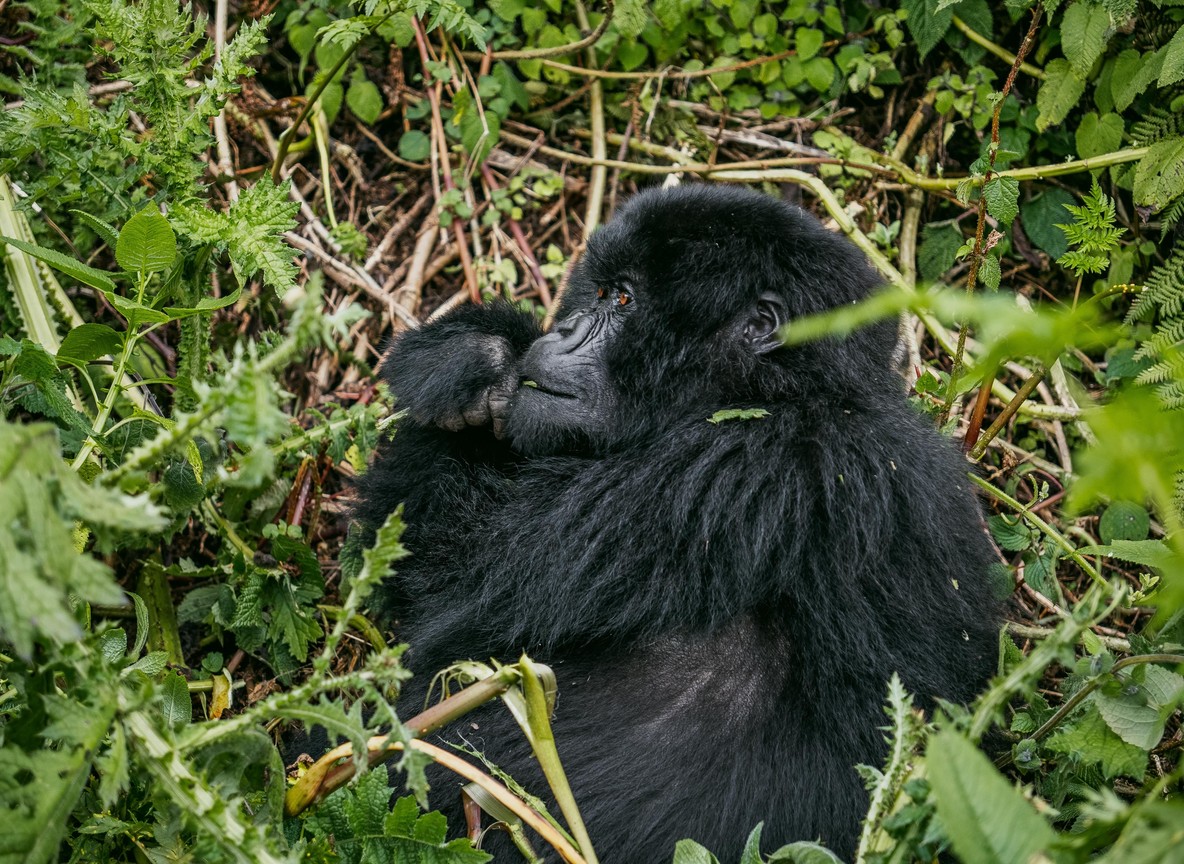
Mountain gorillas share close to 98 percent of human DNA, which makes them vulnerable to human respiratory illness. That biological fact has always shaped UWA’s trekking rules. The 2026 Ebola outbreak added urgency. IGCP and UWA used the outbreak response as a moment to re-brief guides, porters, and ranger teams on protocols that had grown inconsistent at some trailheads. Hotels and lodges near Bwindi and Mgahinga received updated guidance on guest screening too, including how front-desk staff should log a guest’s travel history and any reported symptoms before a trek. None of this means gorillas are at risk of Ebola specifically. The concern is broader: any traveler carrying a respiratory or gastrointestinal illness can pass something serious to a habituated gorilla family with no immune resistance to human pathogens. Uganda’s tourism board framed the refresh as protecting both visitor confidence and the gorilla population that anchors the country’s safari economy.
The New Health Rules at a Glance
The core rules apply at both Bwindi and Mgahinga, since UWA manages permits and ranger conduct at both parks the same way.
| Rule | What it means for you |
|---|---|
| Minimum distance from gorillas | 7 to 10 meters at all times during the trek |
| Face mask | Mandatory for the full viewing period, not just approach |
| Illness screening | No trekking if you have a cough, flu, diarrhea, or fever |
| Group size limit | Maximum 8 visitors per gorilla family per trek |
| Viewing time limit | 1 hour with the gorilla family once located |
| Flash photography | Not permitted at any distance |
Guides now check masks and ask health screening questions at the trailhead briefing, not just on the permit application form. Expect a short verbal check-in before rangers let your group start the hike.
The Mask and Distance Rules Explained
The 7 to 10 meter rule is stricter than the flat 7-meter figure some older guidebooks still quote. Rangers use their judgment, and a young or curious gorilla approaching a group does not violate the rule. Visitors do not chase a closer view or reposition to get a better photo. The mask requirement runs for the entire viewing hour, including the walk into the family’s location once rangers signal they are close. Surgical or cloth masks both work; UWA does not require a medical-grade respirator. Pack two or three spares, since Bwindi’s terrain gets muddy and masks can slip during a steep scramble through undergrowth.
What Happens If You Feel Unwell on Trek Day
This is the rule that changes travel planning the most. Rangers now turn away trekkers who report a cough, cold symptoms, diarrhea, or a fever at the morning briefing. UWA does not offer an automatic refund for a permit forfeited this way, but most tour operators can request a rebooking with UWA if you notify them before the briefing rather than after. Build a one-day buffer into your itinerary around the trek date. That buffer gives you room to rebook without losing the whole trip if a cold catches up with you the night before. Travelers who arrive genuinely sick should tell their guide immediately. Pushing through a trek while ill is exactly the scenario the rule exists to prevent.
Bwindi vs Mgahinga: Which Park Fits Your Trip
Bwindi and Mgahinga follow the same health rules, but they differ enough in size, access, and gorilla numbers to change how you plan.
| Feature | Bwindi Impenetrable National Park | Mgahinga Gorilla National Park |
|---|---|---|
| Size | approx. 331 km2 | approx. 34 km2 |
| Trekking sectors | Buhoma, Ruhija, Rushaga, Nkuringo | Ntebeko (single trailhead) |
| Habituated gorilla families | multiple across 4 sectors | Nyakagezi family (one, availability varies) |
| Standard trekking permit (non-resident, indicative) | USD 800 | USD 800 |
| Distance from Kampala | approx. 520 km (Buhoma) | approx. 510 km (Kisoro) |
| Nearest airstrip | Kihihi (near Buhoma) or Kisoro | Kisoro |
| Also known for | UNESCO World Heritage status, largest gorilla population in Uganda | Golden monkey trekking, Virunga volcano hikes |
Bwindi holds close to half of the world’s remaining mountain gorillas across its four sectors, giving it far better odds of an available permit on short notice. Mgahinga is smaller and quieter, with only one gorilla family, so book that permit well ahead if it is part of a multi-country Virunga itinerary alongside Rwanda’s Volcanoes National Park.
Getting to Bwindi and Mgahinga: Routes and Distances
Road access to both parks runs through Kabale in southwestern Uganda. From Kampala, Buhoma sits roughly 520 km away, an 8 to 9 hour drive on a mix of tarmac and rough final-stretch roads. Kisoro, the gateway town for Mgahinga and Bwindi’s Rushaga and Nkuringo sectors, is a similar distance and drive time. Flying cuts that dramatically. Aerolink and other charter operators run daily flights from Entebbe to Kihihi airstrip, near Buhoma, in about 1 hour 20 minutes. Kisoro airstrip serves Mgahinga and southern Bwindi in a similar flight time. Most itineraries split the drive into two days, with an overnight stop near Lake Mburo or Lake Bunyonyi to break up the distance and add a scenic stop.
Travelers combining a Uganda trek with Rwanda’s Volcanoes National Park can cross at the Cyanika border post, a short drive from both Kisoro and Mgahinga’s Ntebeko trailhead. Budget at least two hours for border formalities on top of the drive, since permit paperwork and passport checks run separately from the road time.
Permit Costs and What They Cover in 2026
A standard gorilla trekking permit in Uganda runs an indicative USD 800 for foreign non-residents at both Bwindi and Mgahinga. UWA’s gorilla habituation experience, a longer session with a family still being acclimatized to human presence at Bwindi’s Rushaga sector, carries a higher indicative fee, recently raised from roughly USD 1,500 to USD 1,800. Neither fee includes park entry, accommodation, or a porter tip. Porters are optional but genuinely useful on Bwindi’s steep, often muddy trails, and hiring one supports the local community directly. None of the 2026 health rules add a surcharge. The mask, distance, and screening protocols cost nothing extra, but they do mean planning a buffer day and packing accordingly.
Explorer Notes
Buhoma sector trails tend to be gentler than Rushaga’s, which matters if you are choosing a sector around fitness level rather than family assignment. Pack a lightweight, breathable mask rather than a thick medical one, since Bwindi’s humidity makes a heavy mask uncomfortable for a full hour. Carry rehydration salts. UWA’s illness screening includes dehydration-related symptoms, and altitude plus heat can mimic a fever reading on a forehead thermometer. Rushaga sector rangers have, in past seasons, been slightly more flexible about rebooking a forfeited permit if you flag illness the evening before rather than at the morning briefing. Ask your operator to confirm current same-day rebooking odds before your trek date, since ranger practice varies sector to sector.
FAQ
What is the minimum distance rule for gorilla trekking in Uganda in 2026? Rangers enforce 7 to 10 meters between visitors and gorillas throughout the trek, though a gorilla approaching a group does not break the rule.
Do I have to wear a mask the whole time I’m with the gorillas? Yes. UWA requires a mask for the full viewing hour, not only during the approach, at both Bwindi and Mgahinga.
Can I still trek if I have a mild cold? No. UWA screens for cough, flu symptoms, diarrhea, and fever at the trailhead briefing and will turn away visibly unwell trekkers.
Does Mgahinga follow the same rules as Bwindi? Yes. UWA applies the same distance, mask, and illness-screening rules at both parks, since it manages permits and ranger conduct identically.
How much does a Uganda gorilla trekking permit cost in 2026? A standard non-resident permit runs an indicative USD 800 at Bwindi and Mgahinga. Confirm the current rate with UWA or your operator before booking.
What to Read Next
- Weighing Uganda against Rwanda for your gorilla trek? Compare permit costs and what each country’s fee actually funds.
- Planning a longer Uganda circuit? See how a Bwindi trek pairs with chimp tracking at Kibale Forest.
- Curious about Uganda’s other 2026 park updates? Check the latest entry-fee and permit-pricing changes before you book.
These rules add a little more planning, not a barrier to a good trek. Check the Tour Packages page for Bwindi and Mgahinga itineraries, or ask a partner operator to confirm sector availability and current health screening steps before you lock in a date.